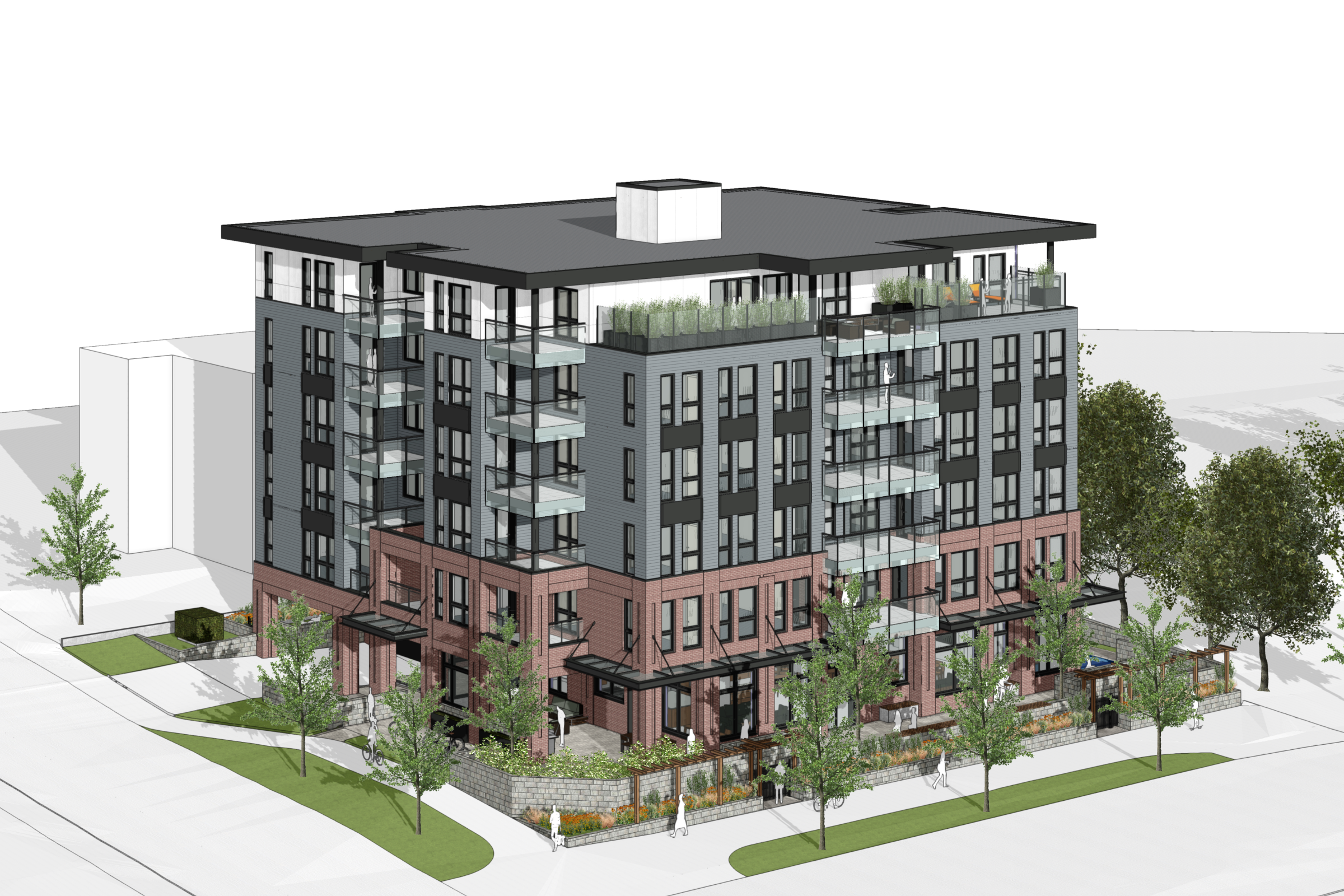
Cohousing can be a precarious undertaking – a complex and technical real estate development process layered onto a community-building initiative that must synchronize the personal values and life savings of dozens of households. For many groups, the “dreaming phase” is where ambition meets its end; years are spent struggling to recruit members, and projects often fade out before land is secured or professional guidance is engaged. This has historically been the case in Victoria, British Columbia. Despite being a progressive and temperate provincial capital ideally suited for cohousing, several unsuccessful cohousing initiatives there have lacked the structural foundation required to move from vision to reality.
In August 2024, at the US cohousing conference in Denver, I met Ronaye Matthew and Margaret Critchlow. Ronaye and Margaret had recently co-authored Community-Led Housing, a book on cohousing development. Over a fateful lunch, we discussed a common desire to see more professional leadership in cohousing and decided to test this hypothesis: a professionally initiated project, guided by experts from day one, could achieve in months what typically takes years.
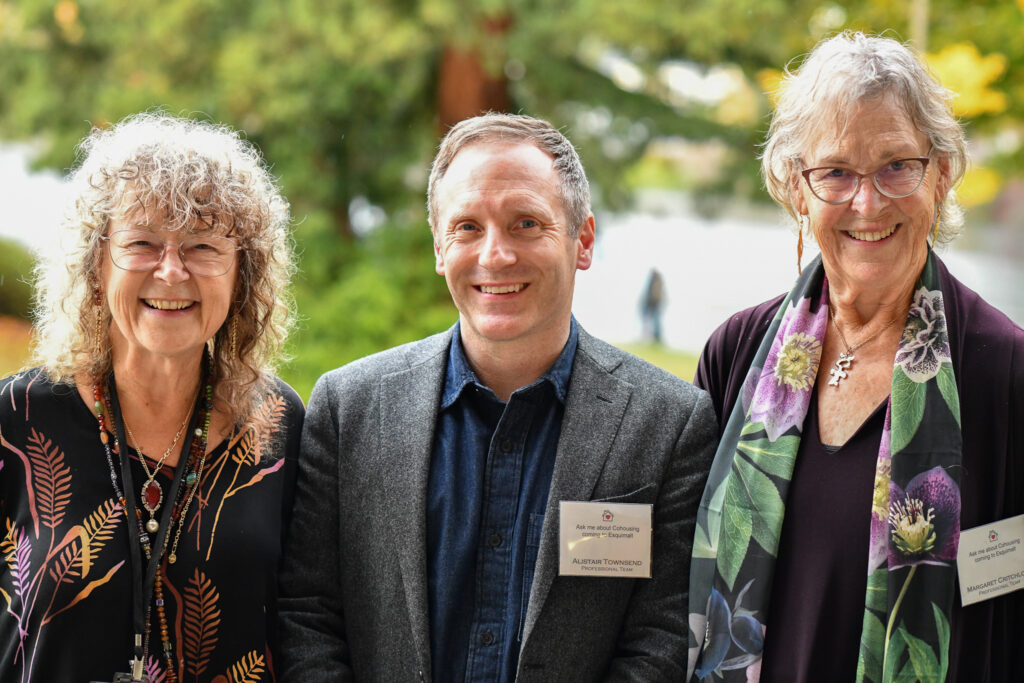
Ronaye Matthew, who I now consider a mentor, is a veteran real estate development consultant. Ronaye pioneered the cohousing model in Canada, leading 13 developments to completion throughout her career. Her expertise in navigating all aspects of community-led housing forms the foundation of our strategy.
Margaret Critchlow is a former professor of Social Anthropology and a founding resident of Harbourside Cohousing. Margaret is a trained facilitator who builds community, promotes cohesion, and interfaces with members while bridging the practicalities of development.
Twelve months after that first of what would become many great meals together, Esquimalt Village Cohousing is nine households strong, has purchased a prime development site in Greater Victoria, and submitted a formal rezoning application. By clearing these hurdles with such efficiency, the project has become what is likely the fastest-forming cohousing initiative in North American history.
A Chronology of Momentum
Our approach grounded the community in reality from day one, with a clear and proven structure adapted from Ronaye and Margaret’s prior projects. Equipped with our combined skills and experiences, we adopted an ambitious timeline so as to keep momentum. This outlines a year of progress:
- August – October 2024: Laying the Groundwork At our lunch in Denver, Ronaye and Margaret identified Greater Victoria as a city primed for cohousing. Following a visit in September, I agreed the city was an ideal proving ground for our accelerated model. By October, we produced a site search strategy document, identifying neighborhoods with favorable regulations and strong amenities.
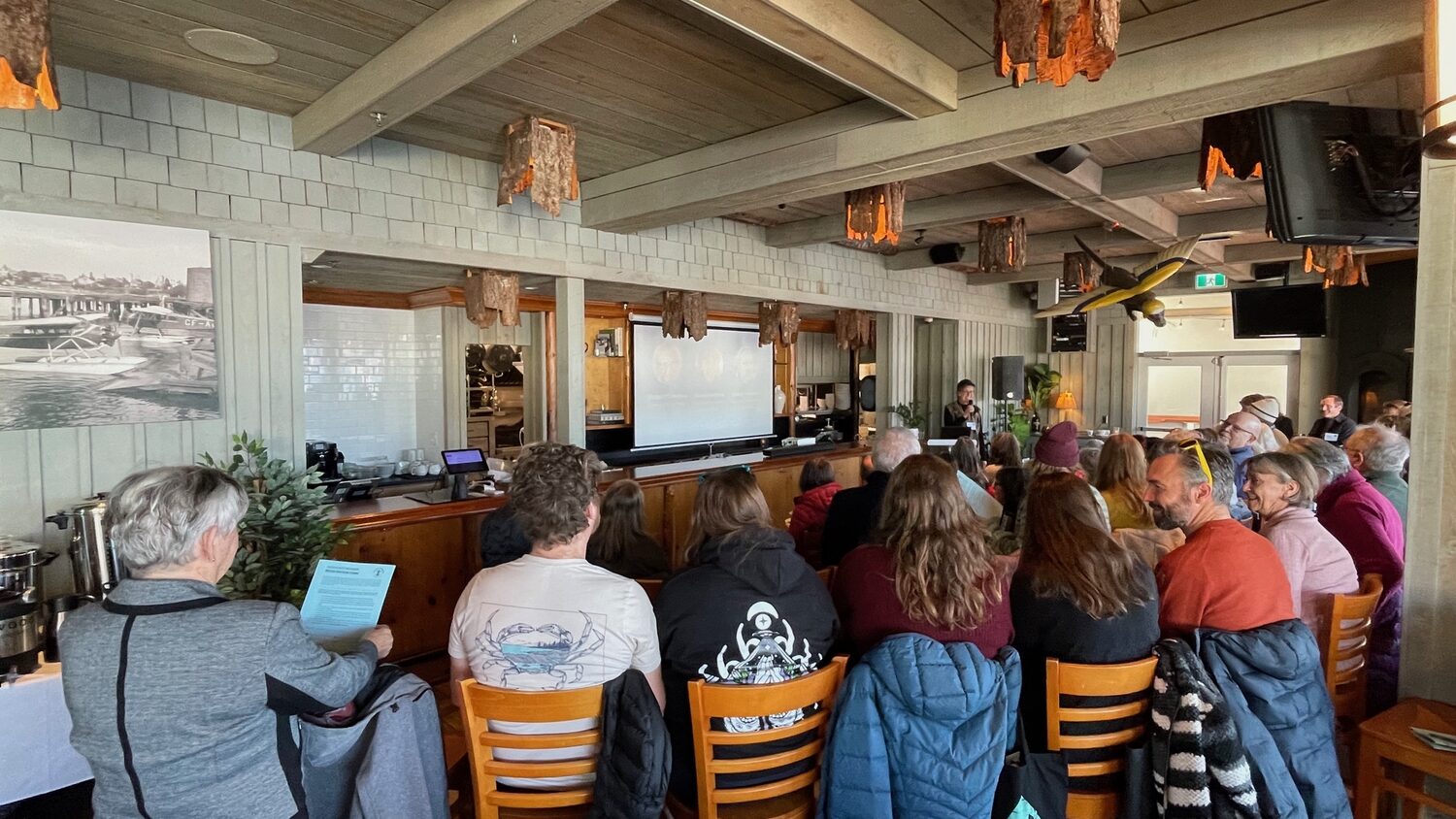
- January – March 2025: From Interest to Engagement We launched the project under the working title “Victoria Harbour Cohousing.” Demand was confirmed by capacity attendance at two presentations at the Flying Otter restaurant, which literally floats in Victoria Harbour. By March, we held the “Getting Your Community Built” workshop. It was here that attendees transitioned from curious observers to “pre-equity” members, defining the values of their future home and narrowing down the shortlist of potential sites we had gathered. We preselected Cornerstone Architects and Campbell Construction (contractor), both of whom had previously delivered successful cohousing projects with Ronaye.
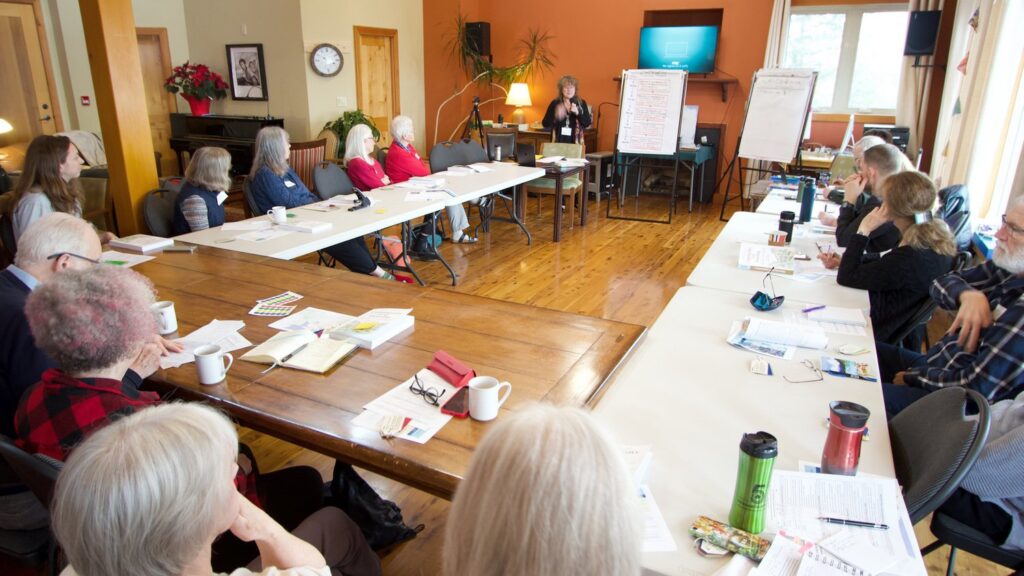
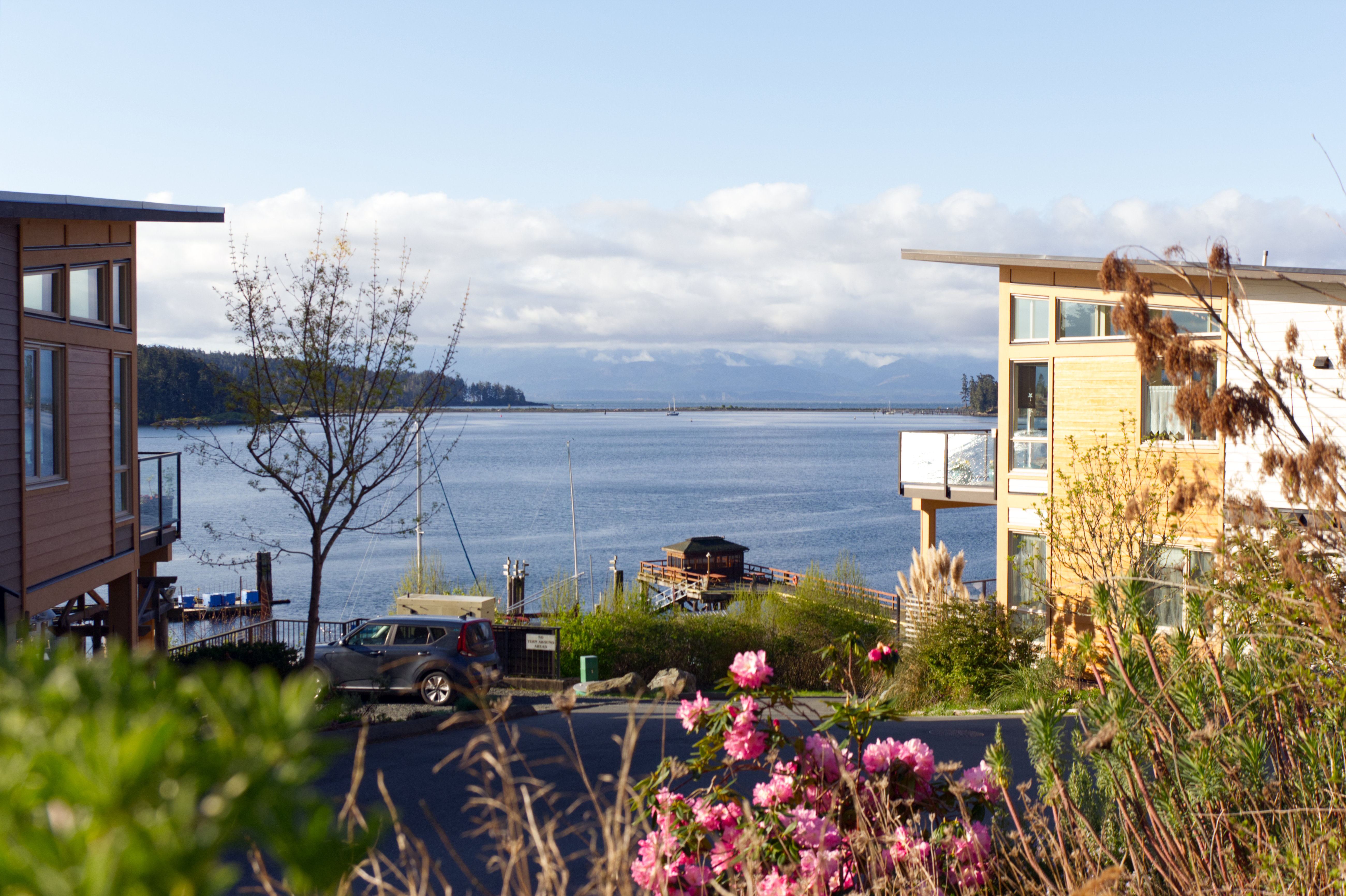
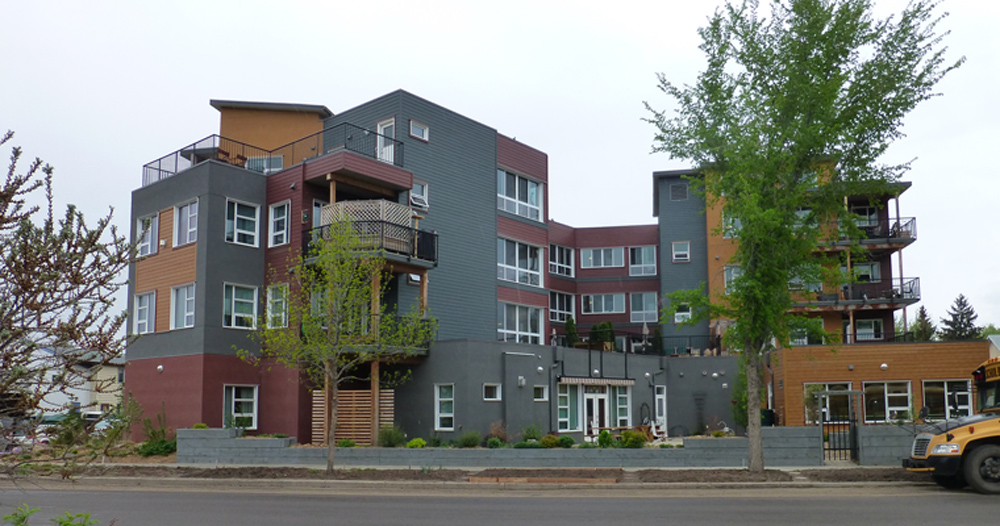
- April 2025: The Site Selection. The momentum accelerated as we held a follow-up “From Dream to Reality” workshop. From a shortlist of pre-screened sites, members selected a property in Esquimalt, favoring its lower price, adjacency to amenities, and pro-development reputation. The site – currently two four-plex apartment buildings – is across from the recreation center and grocery store, and minutes from the local library, farmers market, and community center. We placed a competitive offer that was accepted, and subsequently executed a contract to purchase the site.
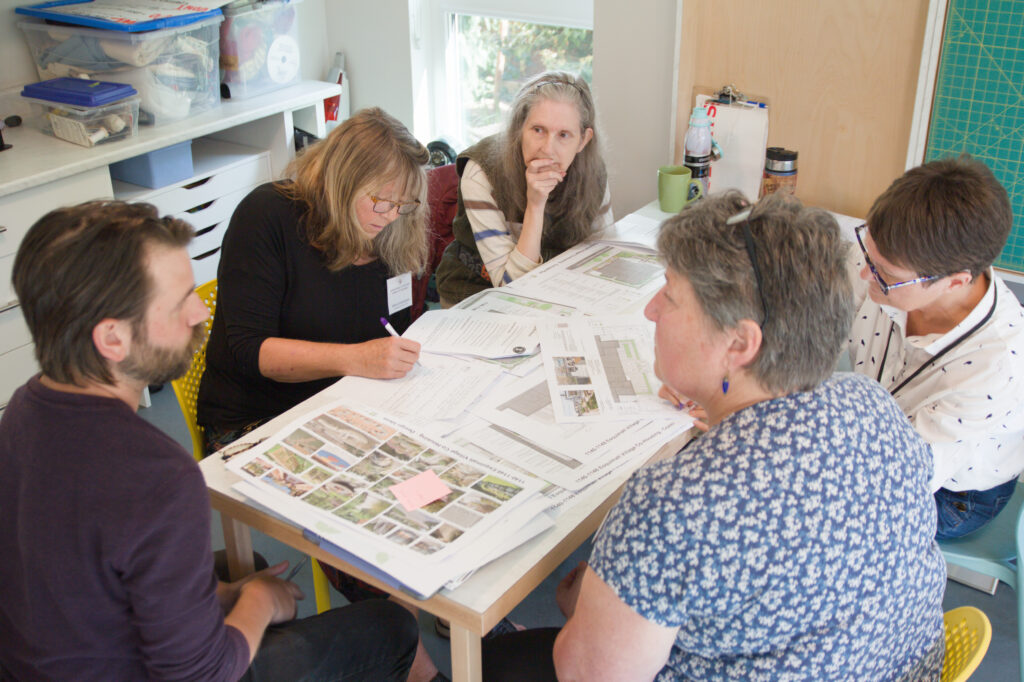
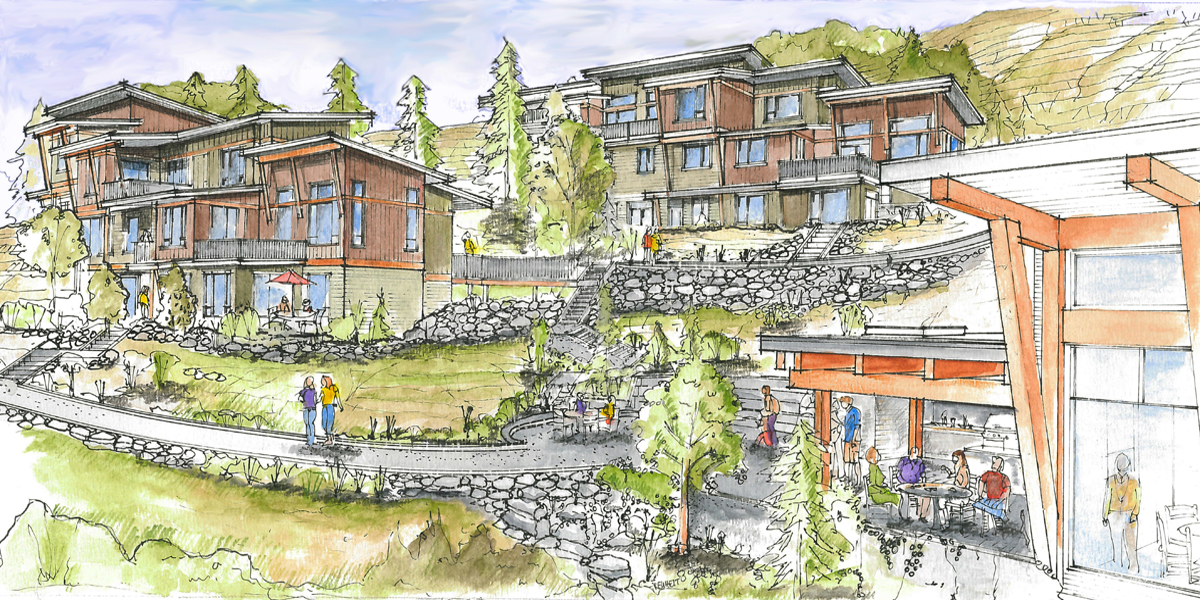
- July – September 2025: Design and Incorporation In July, we incorporated the development company that the full “equity members” now own as shareholders. We submitted a $150,000 deposit sourced entirely from member contributions. Through three design workshops, members collaborated with our architects on building massing and floor plans, prioritizing shared green spaces and common areas on both the ground and upper floors.
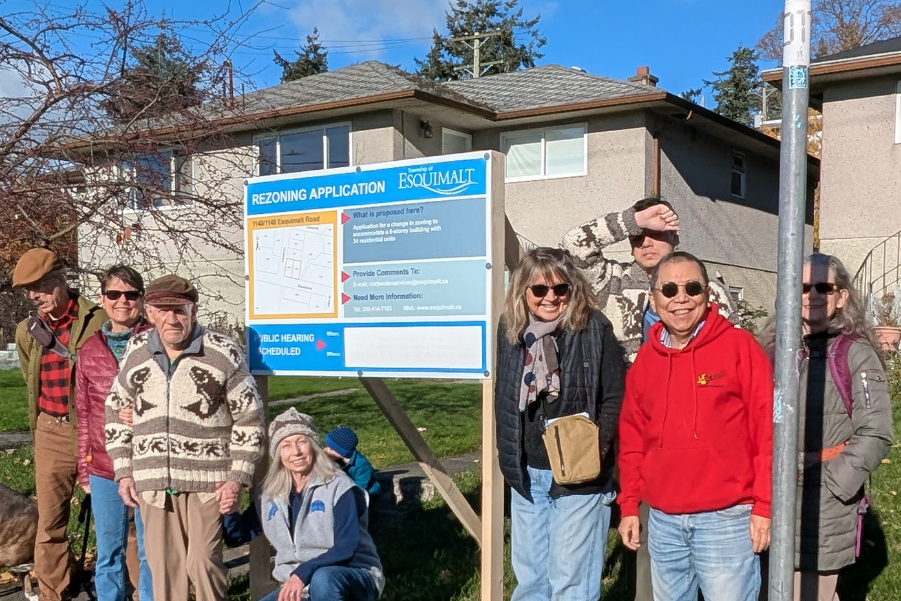
- October – November 2025: Purchase and Rezoning We submitted the formal Rezoning Application in October. By November, the project completed the land purchase. The members’ secured financing for 50% of the cost from Vancity Credit Union, a Vancouver-based institution that recognizes cohousing’s alignment with their community-investment mission to support innovative housing options. The remaining 50% was pooled by the members, some of whom took out lines of credit against their homes or sold investments. Those who could contribute above the minimum level of investment are compensated by a discount on the final purchase price of their home in the completed community. Our founding members’ commitment for their personal wealth to this site was a humbling testament to their faith in both the project’s viability and our professional abilities.
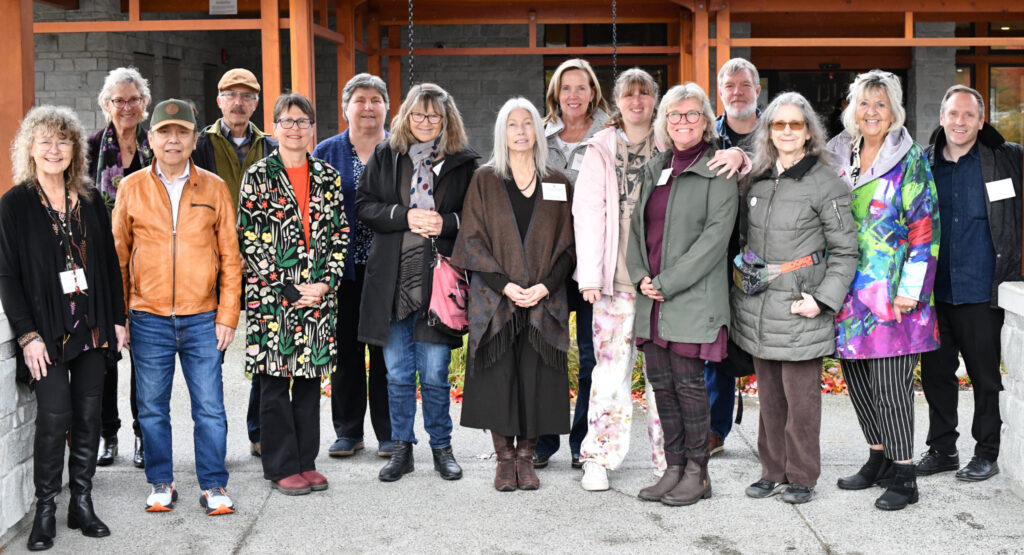
- December 2025 – January 2026: Community As the year concluded, the project’s public identity shifted. With a major website overhaul, our “professional voice” stepped back, allowing the authentic stories of our members to lead recruitment. We are now navigating the first phase of municipal approvals while refining unit layouts to support optional “co-living” configurations. With three more design workshops planned for 2026, there is still scope for new members to help shape the community.
Admittedly, launching this community has been a heavier lift than our professional team originally envisioned. One of the tools that is streamlining our efforts is centralized information management — an online wiki — to ensure transparency, storing all data in a single accessible place. Having developed this successful model, I am confident that such systems, templates, and practices we developed for the first time in Esquimalt can be more rapidly deployed to initiate future cohousing projects.
Lessons for Future Founders
The first year of Esquimalt Village confirms that professional guidance is an accelerator of community, not a replacement for it. The project has now shifted from our initial professional vision to a personal identity shaped by the people who will live there. With active committees for finance, design, and community building, members are now the true owners of the project.
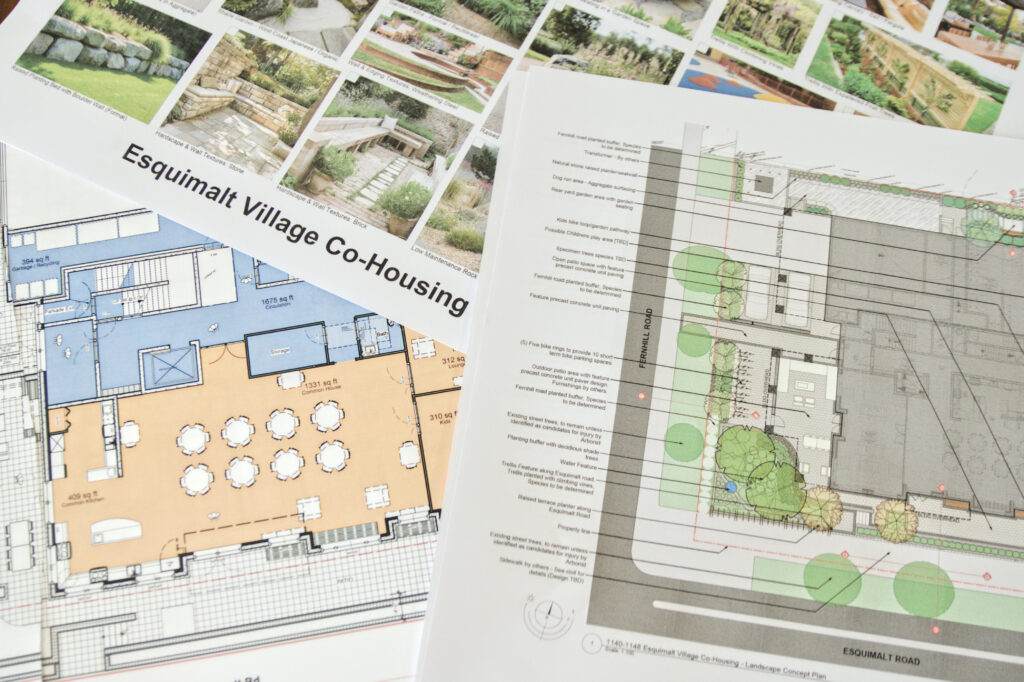
We have also learned that there is a natural speed limit to this process. While we have moved as fast as is technically possible, the pace has challenged members to digest information — from consensus decision-making process to architectural designs to complex financial realities. Furthermore, there is an organic bonding process that cannot be forced. We have probably reached the threshold where development speed meets the human pace of building trust and connection. To go faster might risk the foundation of the community itself.
The process of community building — with its hours of collaboration, consensus decision making, collective investment, and shared risk taking — is the ingredient that binds cohousing together. Like a well-crafted dish, once the correct ingredients are combined, the project needs time to simmer before the complex and delicious flavors emerge.